Street Food Will Make You Sick (Until You Learn These 5 Rules)
After 200+ street meals in Asia without a single stomach issue, here's the unfiltered guide to eating safely that blogs are afraid to publish.

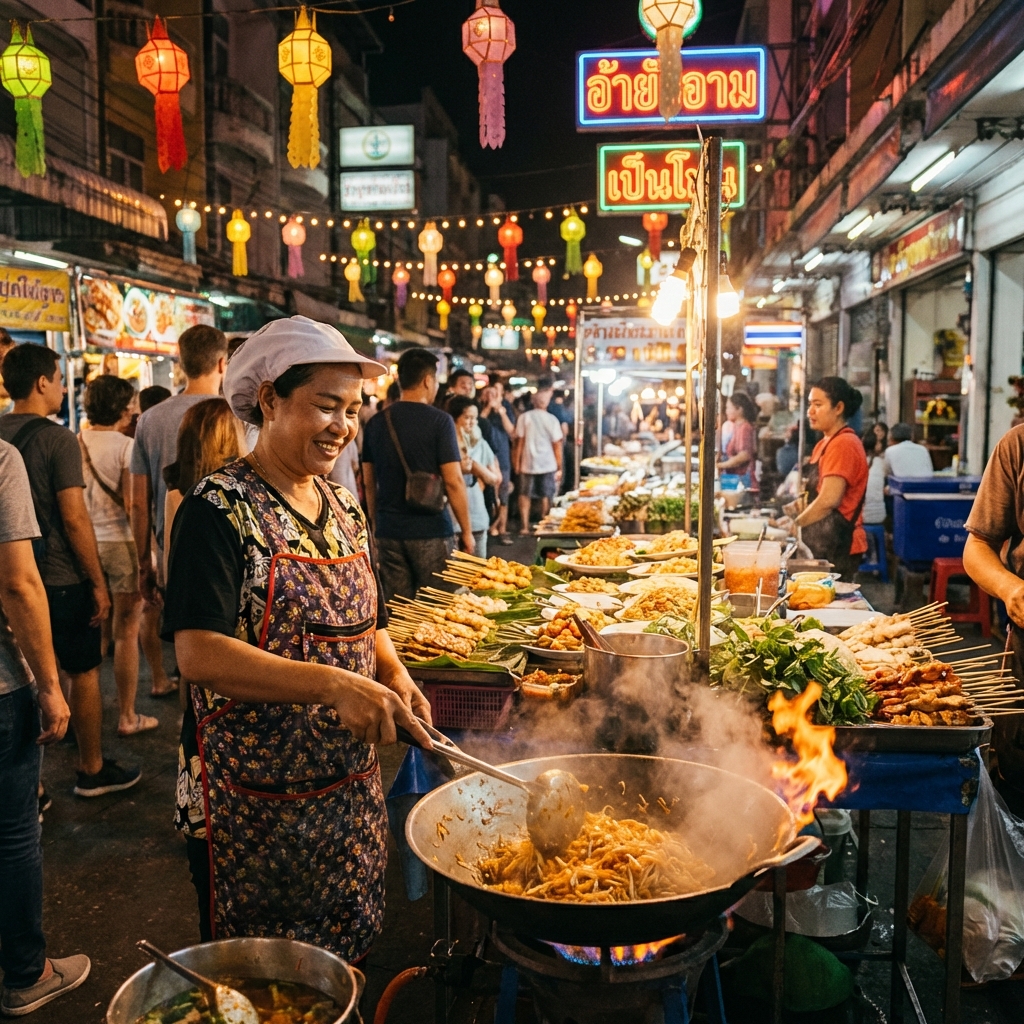
Bangkok. Yaowarat Road. 11 PM.
I watched a tourist from London order pad thai from a cart, snap three Instagram photos, take one bite, and declare it "authentic." Forty minutes later, I saw him stumbling toward a pharmacy. Classic.
The thing is, that cart was fine. The pad thai was excellent. But an hour earlier? He'd eaten questionable som tam from a different vendor — one where the papaya had been sitting in a metal bowl since morning. That's the salad that wrecked him. Not the cooked noodles.
He blamed "street food." When really, he just didn't understand the system.
The Real Talk
Street food in Asia is safer than most travelers think — when you know what to look for. In 15 years of travel across 30+ countries, I've eaten from maybe 200 street carts. Total stomach issues? Two. Both times, I broke my own rules.
This is NOT for: Germophobes who want zero risk (stay home). Or anyone who thinks "safe travel eating" means McDonald's in every city.
The honest truth: Western restaurants in tourist areas are often more dangerous than street carts. Static menus. Kitchen you can't see. Ingredients sitting in fridges that may or may not maintain proper temperature. But you feel safe because the chairs are nice.
The street cart with the line of locals? That vendor made two hundred servings today. Fresh ingredients. High turnover. Fire that kills everything. And an audience watching every move.
The Lie That Scared Travelers Believe
"Avoid street food to stay healthy."
Wrong. Wrong. Wrong.
From my hundreds of hours advising travelers on Southeast Asia specifically, the ones who got sick most often were the ones eating hotel buffet breakfasts and air-conditioned restaurant chains.
Here's the mechanism: Heat is the enemy. Fire is your friend.
Buffet food that's been sitting under a lamp for three hours? Bacterial paradise. Hotel eggs that were cooked at 6 AM and served at 9:30? Risky. That suspiciously fresh-looking salad bar in the humidity? Absolutely not.
The street vendor flipping noodles in a screaming hot wok in front of you? Everything in that wok just hit 300°F+. Pathogens die instantly. You're eating food that was alive three seconds ago.
The tourism industry doesn't want you thinking this through because hotels charge $25 for breakfast. Street food costs $2. Follow the money.
The Five Rules That Actually Work
I'm going deep on these because getting this right means the difference between an incredible food journey and spending your vacation near a toilet.
Rule 1: Fire Over Fresh
Cooked > raw. Every time. No exceptions in high-risk destinations.
That gorgeous fruit shake? Might be fine. Might be made with tap water ice. That elaborate salad? Washed with water you wouldn't drink. The spring rolls sitting in a case? Who knows how long they've been there.
But the satay just pulled off the grill? Safe.
The soup boiling in front of you? Safe.
The stir-fry hitting the wok right now? Safe.
A client from Houston came to us planning a "culinary tour" of Vietnam. Her previous attempt ended on day three with severe food poisoning from — you guessed it — bánh mì with raw vegetables and a smoothie. She'd avoided the "sketchy" cooking stalls.
We did the opposite strategy: 80% cooked street food, 20% trusted restaurants for raw items. Ten days. Zero issues. She sent me a photo of herself eating duck embryo (balut) from a sidewalk vendor on the last day. Subject line: "Never would have tried this before. Best trip of my life."
The exception: Fruit you peel yourself. Bananas, oranges, mangos where you remove the skin? Those are generally safe anywhere. It's the pre-cut fruit sitting in juice that gets you.
Rule 2: Follow the Queue, Not the Guide
Lonely Planet recommendations from 2019 are irrelevant. TripAdvisor sorted by "most reviews" leads you to tourist traps that stopped being good years ago.
Here's the thing nobody tells you: Street food vendors don't stay great forever. The second generation takes over. Quality drops. But the tourism machine keeps sending clueless visitors.
Your actual guide: The line of locals. At lunch. On a weekday.
If a cart has fifteen Vietnamese office workers queued at 12:15 PM, eat there. If a cart has only confused tourists with phones out at 2:30 PM, walk past.
"But I don't know what to order because I can't read the menu!" Point at what other people are eating. Smile. Nod. Hand over money. This works everywhere on earth.
The locals know whose food caused stomach problems last month. They know whose ingredients are fresh and whose are leftover. Trust their judgment, not a blog post written three years ago.
Rule 3: Watch the Hands
This one is quick but critical.
Does the vendor handle raw ingredients and money with the same hands without washing? Red flag.
Do they have a separate hand for taking cash versus serving food? Good sign.
Is there visible soap or hand sanitizer at the cart? Excellent sign.
I don't need to see a health inspector certificate. But I do need to see basic cross-contamination awareness. Takes five seconds to observe.
Rule 4: The Crowd-Turnover Test
High volume = safer food.
That beautiful, empty restaurant with the English menu? Ingredients have been sitting. Prep was done hours ago. Your meal might have been partially cooked then held.
That chaotic stall with constant customers, constant cooking, and the vendor who barely has time to look up? Freshness is guaranteed by volume.
A friend who works in food safety put it to me this way: "The dangerous zone is 40°F to 140°F. Time in that zone is everything. A busy stall never lets food sit long enough to become dangerous. A slow restaurant might have chicken sitting for two hours before they realize it's still there."
The math: A cart selling 300 servings a day can't afford to make people sick. Word spreads instantly in local markets. A tourist restaurant with 80% one-time visitors? Less accountability.
Rule 5: Trust Gut Before Gut
And I mean your instinct, not your stomach.
Does something feel off? Walk away. Is the cart unusually dirty compared to neighboring carts? Skip it. Does the vendor seem unwell? Hard pass.
You don't need to rationalize it. Years of human evolution gave us disgust responses for a reason. They work.
I've walked away from maybe forty carts over the years based purely on feeling. Can't explain why most of the time. Never regretted it.
The Quick Hits
Seafood is the riskiest category. Higher consequence if something goes wrong. Only eat it from vendors clearly specializing in seafood with visible ice and rapid turnover.
Dairy is almost always a no. Outside of maybe refrigerated chain stores, unprocessed dairy in tropical climates is asking for trouble.
Ice is fine in most Asian cities now. The "avoid ice" advice is from the 1990s. Modern street vendors buy factory ice made from purified water. The cylinders with holes through the middle? Definitely factory-made and safe.
Alcohol doesn't "kill germs" in your stomach. That beer after questionable food doesn't help. Stop believing that myth.
The Weird Opinion
Side note: I think people who use portable UV water bottle sanitizers while traveling are performing anxiety cosplay more than actual safety improvement. The cognitive load of remembering to sanitize, waiting the 90 seconds, doing it correctly — all of that for drinking water that's already coming from a sealed bottle in a country with established bottled water infrastructure?
Just drink the Aquafina like everyone else. Channel that energy toward watching the cooking instead.
The Monday Plan
Before your next Asia trip:
- Accept the mental shift. You will eat street food. It will be better than restaurants. Prepare psychologically.
- Bring Imodium and oral rehydration salts. Just in case. But expect not to use them.
- Plan for cooked lunches, lighter dinners. Your stomach acclimates. Day one, stick to safe bets. Day five, you can take more risks.
- Take a cooking class early. Sounds unrelated, but they teach you what ingredients should look like. That knowledge transfers to evaluating vendors.
Quick FAQs
What if I have dietary restrictions? Learn the words for your restrictions in local language. "No peanuts" in Thai: "mai sai tua lisong." Worth the five minutes of study.
Should I take probiotics before traveling? Evidence is mixed. But anecdotally, from 400+ consultations, travelers who take them seem to report fewer minor issues. Cheap insurance.
What do I do if I get sick anyway? Oral rehydration salts immediately. Imodium if you need to travel. Pharmacists in most Asian cities speak English and can recommend appropriate medication. The overwhelming majority of traveler's diarrhea resolves in 48 hours without intervention.